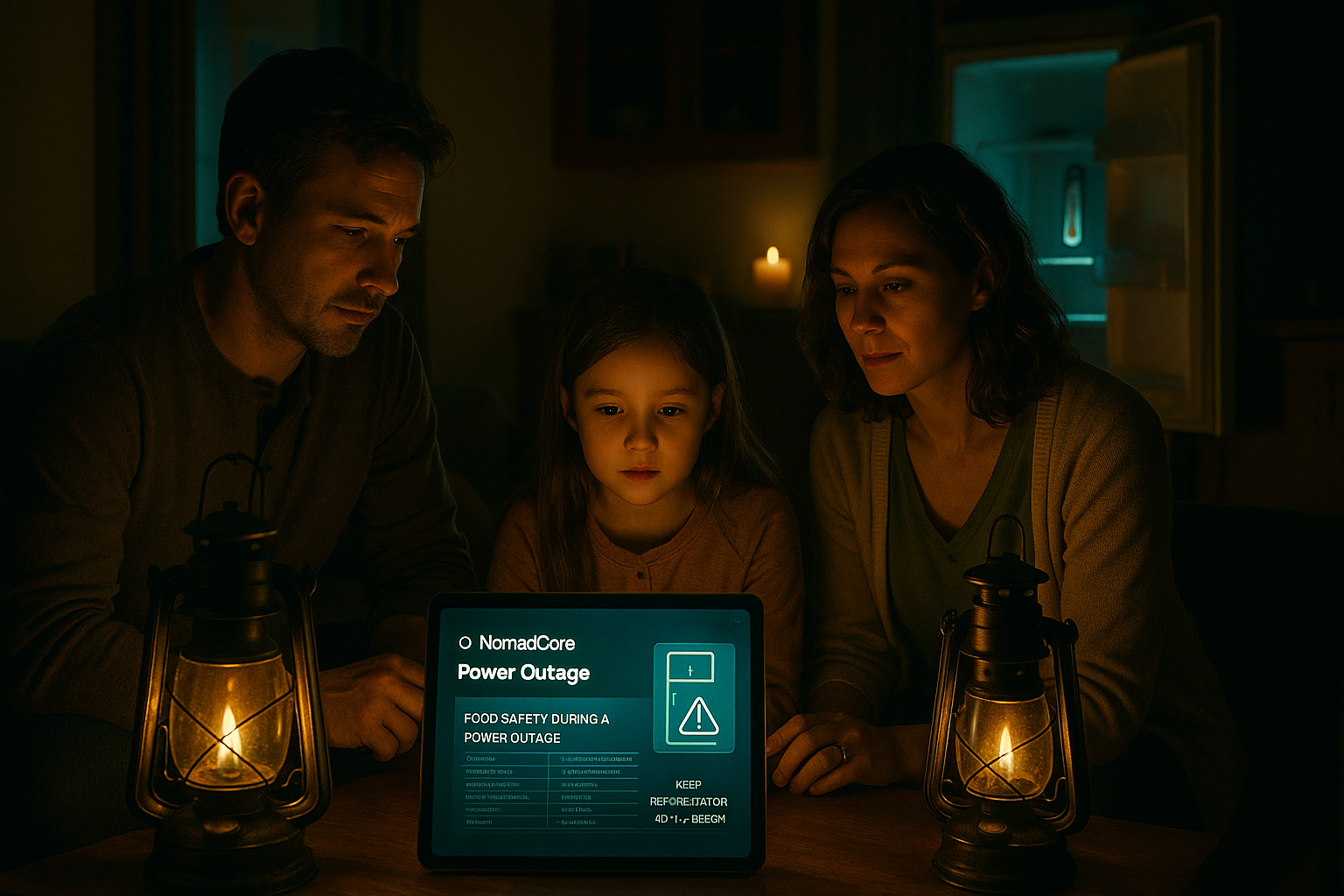
The lights flicker. Then darkness. Whether it's a summer storm, winter ice, or grid failure, power outages happen without warning — and they're happening more frequently. The U.S. experienced over 1,500 major outages in 2024 alone, affecting millions of households.
Most outages last a few hours. Some last days. A few have lasted weeks. The difference between inconvenience and crisis often comes down to preparation.
Here's everything you need to know to keep your family safe, comfortable, and informed when the power goes out.
The First 5 Minutes
When the power cuts, take these immediate steps:
1. Stay Calm and Assess
- Check if it's just your home (look outside for neighbor's lights)
- Check your circuit breaker — it might be a simple fix
- If it's widespread, it's a utility outage
2. Unplug Sensitive Electronics
- Computers, TVs, gaming systems
- Prevents damage from power surge when electricity returns
- Leave one lamp plugged in so you know when power's back
3. Grab Your Light Sources
- Flashlights first (safer than candles)
- Headlamps are ideal — keeps hands free
- Avoid opening the refrigerator (more on this below)
4. Check on Vulnerable People
- Elderly neighbors
- Those dependent on medical equipment
- Families with infants
In NomadCore: Your emergency plan includes step-by-step procedures for power outages — all accessible offline. Pull up your checklist, priority emergency contacts, and family plan without needing cell service or internet.
Lighting: Safe Options for the Dark
Not all light sources are created equal in a power outage.
Recommended (Safe)
| Light Source | Pros | Notes |
|---|---|---|
| LED Flashlights | Bright, long battery life | Keep extras in every room |
| Headlamps | Hands-free | Essential for tasks |
| Battery lanterns | Area lighting | Great for rooms |
| Glow sticks | No fire risk, kid-safe | Single use |
| Solar lights | Bring outdoor lights inside | Free to recharge |
Use with Caution
| Light Source | Risk | Safety Rules |
|---|---|---|
| Candles | Fire hazard | Never leave unattended, keep away from curtains |
| Oil lamps | Fire, fumes | Use in ventilated areas only |
| Propane lanterns | Carbon monoxide | Outdoor use ONLY |
More home fires start during power outages than any other time. If using candles, place them in sturdy holders on stable surfaces, away from anything flammable.
Food Safety: The Refrigerator Rules
Your refrigerator becomes a ticking clock the moment power goes out.
Keep It Closed
Every time you open the door, you lose cold air. An unopened refrigerator keeps food safe for 4 hours. An unopened freezer maintains temperature for 24-48 hours (depending on how full it is).
The Temperature Danger Zone
Food becomes unsafe when it enters the "danger zone" between 40 degrees F and 140 degrees F.
| Appliance | Safe Duration (Unopened) |
|---|---|
| Refrigerator | 4 hours |
| Full freezer | 48 hours |
| Half-full freezer | 24 hours |
When Power Returns
Check temperatures:
- If fridge is above 40 degrees F for more than 2 hours, discard perishables
- If frozen food still has ice crystals, it can be refrozen
- When in doubt, throw it out
Foods to discard after 4+ hours above 40 degrees F:
- Raw or cooked meat, poultry, fish
- Milk, soft cheeses, yogurt
- Opened baby formula
- Cut fruits and vegetables
- Cooked pasta, rice, potatoes
Foods that stay safe:
- Hard cheeses
- Butter, margarine
- Fresh whole fruits and vegetables
- Condiments (mustard, ketchup, pickles)
- Bread, bagels, tortillas
- Peanut butter, jelly
In NomadCore: PackMind tracks your refrigerator and freezer food inventory. When power goes out, you know exactly what's at risk without opening the door — and what non-perishable backup food you have on hand.
Staying Warm (Winter Outages)
Cold weather outages are dangerous. Hypothermia can occur indoors when temperatures drop.
Immediate Steps
- Close off unused rooms — Concentrate body heat in one area
- Seal drafts — Towels under doors, blankets over windows
- Layer clothing — Multiple thin layers beat one thick layer
- Stay dry — Wet clothing rapidly accelerates heat loss
Safe Heat Sources
| Source | Safety Level | Notes |
|---|---|---|
| Body heat | Safe | Huddle together under blankets |
| Hand warmers | Safe | Place in pockets, gloves |
| Sleeping bags | Safe | Rated for low temps |
| Wood fireplace | Caution | Only if properly maintained |
NEVER Use Indoors
- Gas ovens or stovetops for heating
- Charcoal or propane grills
- Generators
- Outdoor propane heaters
- Camp stoves
Carbon monoxide kills. It's odorless and colorless. Every year, people die from running generators or grills indoors during outages. Just don't do it.
Staying Cool (Summer Outages)
Heat emergencies kill more people than any other weather event. Without AC, temperatures can become dangerous quickly.
Cooling Strategies
- Go low — Hot air rises; ground floors and basements are cooler
- Close blinds — Block solar heat gain
- Open windows at night — Cross-ventilation when outdoor temps drop
- Wet towels — Place on neck, wrists, forehead
- Stay hydrated — Drink water even if not thirsty
Watch for Heat Illness
| Condition | Symptoms | Action |
|---|---|---|
| Heat cramps | Muscle pain, spasms | Rest, drink water, cool down |
| Heat exhaustion | Heavy sweating, weakness, nausea | Move to cool area, hydrate, cool skin |
| Heat stroke | High temp, confusion, no sweating | Call 911 immediately |
Know When to Leave
If indoor temperatures exceed 95 degrees F and you can't cool down, go somewhere with power:
- Cooling centers (check local emergency management)
- Malls, libraries, movie theaters
- Friends or family with power
Communication and Information
When the power's out, information becomes critical.
Your Lifeline: Battery/Crank Radio
Cell towers have backup power, but it's limited. Internet goes down. TV is useless. A NOAA weather radio may be your only source of official information.
Must-have features:
- NOAA weather band
- Hand crank AND battery backup
- Flashlight built-in
- Phone charging port (bonus)
Preserve Phone Battery
Your smartphone is precious — treat its battery accordingly:
- Lower brightness to minimum
- Enable airplane mode when not actively using
- Disable background apps
- Turn off Bluetooth, WiFi, location
- Use for essential communication only
- Power off completely if outage will be extended
Stay Informed
- Local emergency management social media (before phones die)
- NOAA weather radio
- Battery-powered AM/FM radio
- Text updates from utility company
Text messages use less battery and get through when calls can't. Text "OUT" to your utility's outage number if they have one.
In NomadCore: Priority emergency contacts are one tap away — no scrolling through your phone book. Your family communication plan, rally points, and emergency contacts all work offline, even when cell towers are strained.
Medical Considerations
Power outages can be life-threatening for those with medical needs.
Medications
- Refrigerated meds (insulin): Use cooler with ice, use within guidelines
- Nebulizers, CPAP: Have battery backup or manual alternatives
- Oxygen concentrators: Contact supplier for backup plan
Medical Equipment
| Equipment | Backup Plan |
|---|---|
| Oxygen concentrator | Portable tanks, notify supplier |
| CPAP | Battery backup unit |
| Refrigerated meds | Cooler with ice, know time limits |
| Electric wheelchair | Keep charged, manual backup |
| Home dialysis | Contact provider for facility backup |
Register with Your Utility
Most power companies maintain a "medical baseline" or "life support" registry. Registered customers get:
- Priority restoration
- Advance notice of planned outages
- Wellness checks during extended outages
In NomadCore: Store medical info, medication lists, and equipment details in your emergency plan. If a first responder or neighbor needs to help, the info is right there — no searching through drawers in the dark.
Generator Safety
If you have a generator, use it correctly or not at all.
Critical Rules
- NEVER run indoors — Not in garage, basement, or near windows
- Place 20+ feet from home — Exhaust must not enter
- Never refuel while running — Turn off, let cool first
- Use heavy-duty extension cords — Rated for outdoor use
- Don't backfeed — Never plug into wall outlet (electrocution risk to lineworkers)
What to Power
Prioritize essential loads:
- Refrigerator/freezer
- Medical equipment
- Sump pump (if flooding risk)
- A few lights
- Phone charging
The Power Outage Kit
Keep these items together and accessible:
Lighting
- LED flashlights (multiple)
- Headlamp
- Battery lantern
- Extra batteries
- Candles + holders (backup)
- Matches/lighter
Communication
- Hand-crank/battery radio (NOAA)
- Portable phone chargers (charged)
- Car phone charger
- Written emergency contacts
Food & Water
- Bottled water (1 gallon/person/day)
- Non-perishable food
- Manual can opener
- Cooler + ice packs (freezer)
Comfort & Safety
- Blankets
- Hand/body warmers
- First aid kit
- Medications (7-day supply)
- Cash (ATMs don't work)
- Battery-powered fans (summer)
In NomadCore: Log your entire power outage kit in PackMind. Track battery expiration dates, flashlight quantities, and food supplies. The app reminds you when it's time to restock — before the next outage hits.
When to Leave
Shelter in place isn't always the answer. Consider evacuating if:
- Extreme temperatures (very hot or cold) with no relief
- Medical equipment cannot be powered
- Outage expected to last several days
- Water or sewer systems also affected
- Vulnerable family members at risk
Have a destination in mind before you need it. Family, friends, hotels outside the affected area, or official shelters.
After Power Returns
The outage is over, but you're not done yet.
Checklist
- Check food temperatures, discard if unsafe
- Reset clocks and timers
- Check sump pump operation
- Restart medical equipment
- Restock supplies you used
- Document damage for insurance
Recharge and Replenish
The next outage could be tomorrow. Immediately:
- Recharge all devices and battery packs
- Replace used batteries
- Refill ice packs and return to freezer
- Restock any food or water used
The Bottom Line
Power outages are inevitable. Extended outages are increasingly common. But with basic preparation and knowledge, an outage becomes an inconvenience, not an emergency.
The family that has flashlights, a radio, and a plan isn't panicking in the dark. They're playing cards by lantern light, checking on neighbors, and waiting it out safely.
Access offline power outage procedures, food safety guides, and emergency checklists with NomadCore — the survival app that works even when nothing else does.